
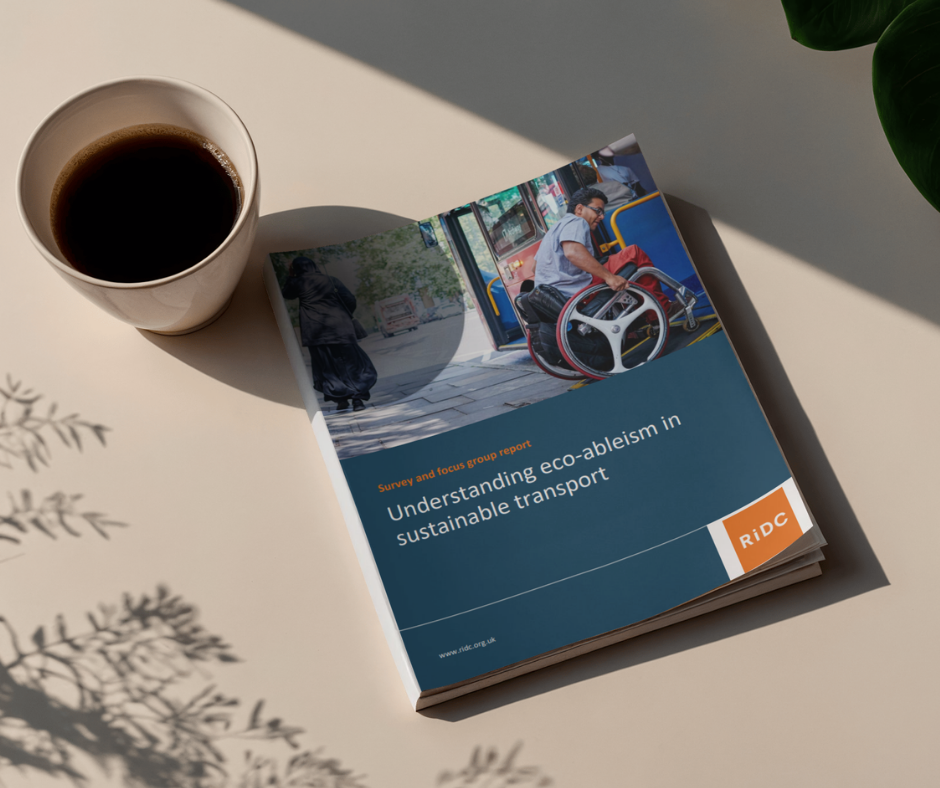
Many cities around the world are reshaping their transport systems to be more sustainable. Cycling and micromobility are often central to these plans, offering lower emissions, healthier streets, and more efficient use of space. Yet new UK research highlights a growing concern: eco‑ableism, or the tendency for sustainability initiatives to overlook the needs of disabled people.
As we’ve previously reported, many disabled people who cycle rely on their bike, trike, or adaptive cycle as a mobility aid. When done well, cycling infrastructure doesn’t just help cyclists; it improves accessibility for everyone. Protected lanes create safer spaces for all kinds of wheels, from mobility scooters to cargo bikes. Kerb cuts and smooth surfaces benefit wheelchair users as much as people on scooters or bikes.
Despite this, the Inclusive Cycling Report 2023 highlighted a range of barriers to cycling in Auckland as a disabled person, including:
- Signage and wayfinding
- Access to the cycle path / cycleway itself
- Appropriate width and turning space
- Facilities at destinations, such as accessible public toilets
- Issues with maintenance
- Gradients
- Consistency and continuity
The Research Institute for Disabled Consumers (RiDC) has now examined how well the UK’s sustainable transport initiatives are meeting disabled people’s needs. Their findings make it clear that while progress is being made, significant barriers remain.
Tāmaki Makaurau Auckland has the opportunity to learn from these experiences in creating an equitable and accessible transport system, which benefits planet and all people.
What’s working
Respondents pointed to several positive developments, many of which are being, or could be replicated in Tāmaki Makaurau:
- Better cycling infrastructure has made riding safer and more predictable. These include more protected lanes, clearer signage, and improved cycle parking.
- Growth in shared micromobility schemes has expanded access to different vehicle types, offering new possibilities for short‑distance travel.
- General improvements in street design, such as wider paths and better‑marked crossings, have helped some disabled users navigate more confidently.
However, even these gains are uneven. Many shared micromobility vehicles remain inaccessible, and adaptive cycles often don’t fit standard parking facilities. Involving disabled people in the design of our transport solutions could avoid these problems.
What’s not working
Despite the progress, the study highlights persistent and systemic barriers in the UK, which we can learn from in the context of Auckland:
- Vehicle design limitations mean many micromobility options simply aren’t usable for disabled riders.
- Inadequate parking and storage for adaptive cycles makes everyday use difficult or impossible.
- Unsafe or missing infrastructure, including poorly maintained pavements, missing kerb cuts, and street clutter, continues to restrict mobility.
- Low uptake of cycling and scooting in some areas leads to a vicious cycle: low usage justifies low investment, which in turn keeps usage low.
Micromobility schemes, particularly rental e‑scooters, are promising in theory but inaccessible in practice. Many disabled people reported that they couldn’t physically access the vehicles, or that the designs didn’t accommodate their needs.
The needs of those with non-visible impairments remain poorly understood. Examples include those with dexterity impairment, stamina-related conditions, mental health conditions, bladder or bowel conditions, and neurodivergence.
The best people to design transport solutions for disabled people are disabled people. A carefully thought-out co-design practice makes sure that the needs of all users can be taken into account.
The bigger picture: accessibility and sustainable transport must go hand in hand
The RiDC’s findings underscore a crucial point: sustainability efforts that exclude disabled people are neither fair nor effective. If cities want to reduce emissions, shift travel behaviour, and build healthier communities, they must work with all kinds of people to design systems that work for everyone.
Good design recognises that accessibility is not an optional extra. It’s a core requirement. Climate‑responsive transport systems should:
- Engage disabled people meaningfully in planning and decision‑making.
- Provide safe, continuous, and protected routes suitable for all kinds of mobility devices.
- Ensure micromobility schemes include accessible vehicle options.
- Offer parking and storage that accommodates adaptive cycles.
- Prioritise well‑maintained, uncluttered footpaths and crossings.
When cities design with disabled people in mind, they don’t just avoid eco‑ableism. They create transport networks that are more resilient, more inclusive, and more widely used. A truly sustainable future is one where climate action and accessibility reinforce each other, rather than compete.