

Love Your Path is a community-driven initiative to help look after our local paths.
After the flooding in 2023 and 2024, a neighbourhood maintenance group was formed to look after part of Te Ara Ki Uta Ki Tai, the shared path from Glen Innes to St Johns Road. The volunteer group focused on weeding, rubbish collection, planting and maintenance. These became monthly ‘Love Your Path’ maintenance events run by Bike Eastern Suburbs to keep the path beautiful. This guide will help you start your own Love Your Path project!
Why Love Your Path?
- Safer paths with better sightlines and fewer obstructions
- Community ownership and engagement
- Credibility with the Local Board and Council
- Beautiful, natural environments for birds, bugs, walkers, and wheelers
Step 1: Make a plan
First, pick your path!
Deciding what needs doing and where are the most important steps! As a path user, you’ll have some idea of what needs tending. Do the bushes need trimming, rubbish picking up, or weeds need replacing with native plants? Consider factors like safety, what resources you have, how much time you can devote, and if you’ll need funding or supplies. Also, consider environmental factors like nesting birds and the best planting/pruning times.
Then, set some goals
Do you want a one-time event or a recurring maintenance group? If you do a big planting or clean-up, who will maintain your hard work? It’s very easy to burn out by having a big, immeasurable goal like “beautify the entire path”. Pick a few things that you want to achieve right away, then expand as you get the hang of it and more people get involved.
Step 2: Get Started
Safety first!
Walk (or cycle) around the area you want to work on, and make note of any safety issues. Is the path wide enough for cyclists to use while you work? How will you warn them to slow down? Can you and any equipment access the area easily? What hazards are there, like steep banks? How will you dispose of any rubbish or green waste? Make sure you have a plan for preventing accidents, and what you’ll do if there is one.
Don’t be afraid to ask for help
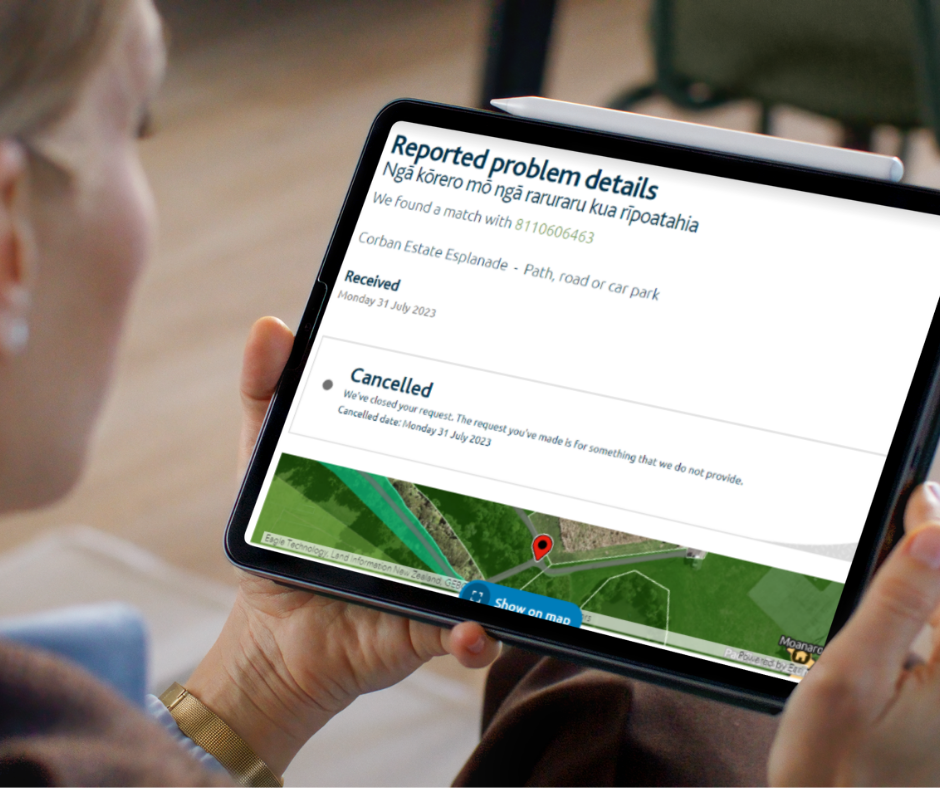
First, see if Council will clear things up – make a report on the Council website and see if they take action in the next couple weeks. If they do, focus on a new area. If not, get the word out! Post on local pages, through Bike Auckland, and in local community centres. Follow up with before and after photos to show your impact, and collect contact details of other volunteers to keep them in the loop.
Local groups may also be able to help! You can seek advice, borrow equipment, work with a local school group, get plants and supplies donated, and get Council to help with bigger jobs.
Step 3: Be prepared to problem solve
It may go wrong
No amount of preparation will stop problems from happening. Enthusiasm may be absent or wavering, and some people may not like what you’re doing. Opinions on what is needed may change or clash, and your work may be short-lived due to vandalism or nature.
Don’t be disheartened
Every little bit of work you do helps, and fear of potential problems shouldn’t hold you back. Even tiny changes stack up and make an impact in the long-term, so do what you can and don’t be afraid to get started! You’ll feel great seeing the improvements you make, and your local community will appreciate your hard work.
Resources
- You can find more information on Love Your Path by reading this blog post: https://www.bikeauckland.org.nz/how-to-love-your-path-full/
- Find out how to report a problem with Auckland Council or Transport:
https://www.bikeauckland.org.nz/report-an-issue/ - Bike Eastern Suburbs, the group that launched Love Your Path with Bike Auckland: https://www.facebook.com/groups/284508025224310
- EcoMatters Environmental Trust’s information on pest management, invasive plants, and funding for the environment:
https://www.ecomatters.org.nz/in-nature/pest-and-predator-free/ - SPCA’s guide on what to do if you find a baby bird, or disturb a bird’s nest in your work: https://www.spca.nz/advice-and-welfare/article/what-to-do-if-you-find-an-injured-bird-or-fledgling
- MenzShed’s conservation resources to help increase biodiversity: https://menzshed.org.nz/resources/conservation/
- More resources from Bike Auckland:
https://www.bikeauckland.org.nz/resources/
This guide has been made with the support of the Auckland Climate Grant – thanks Auckland Council!