
Bike Auckland hosted the national cycling advocates’ hui, CANDo, in March. There were great speakers with lots of ideas for change, and fruitful discussions.
Since then, I’ve been thinking about what stance Bike Auckland should be taking in the present turmoil. Who do we speak for and how?
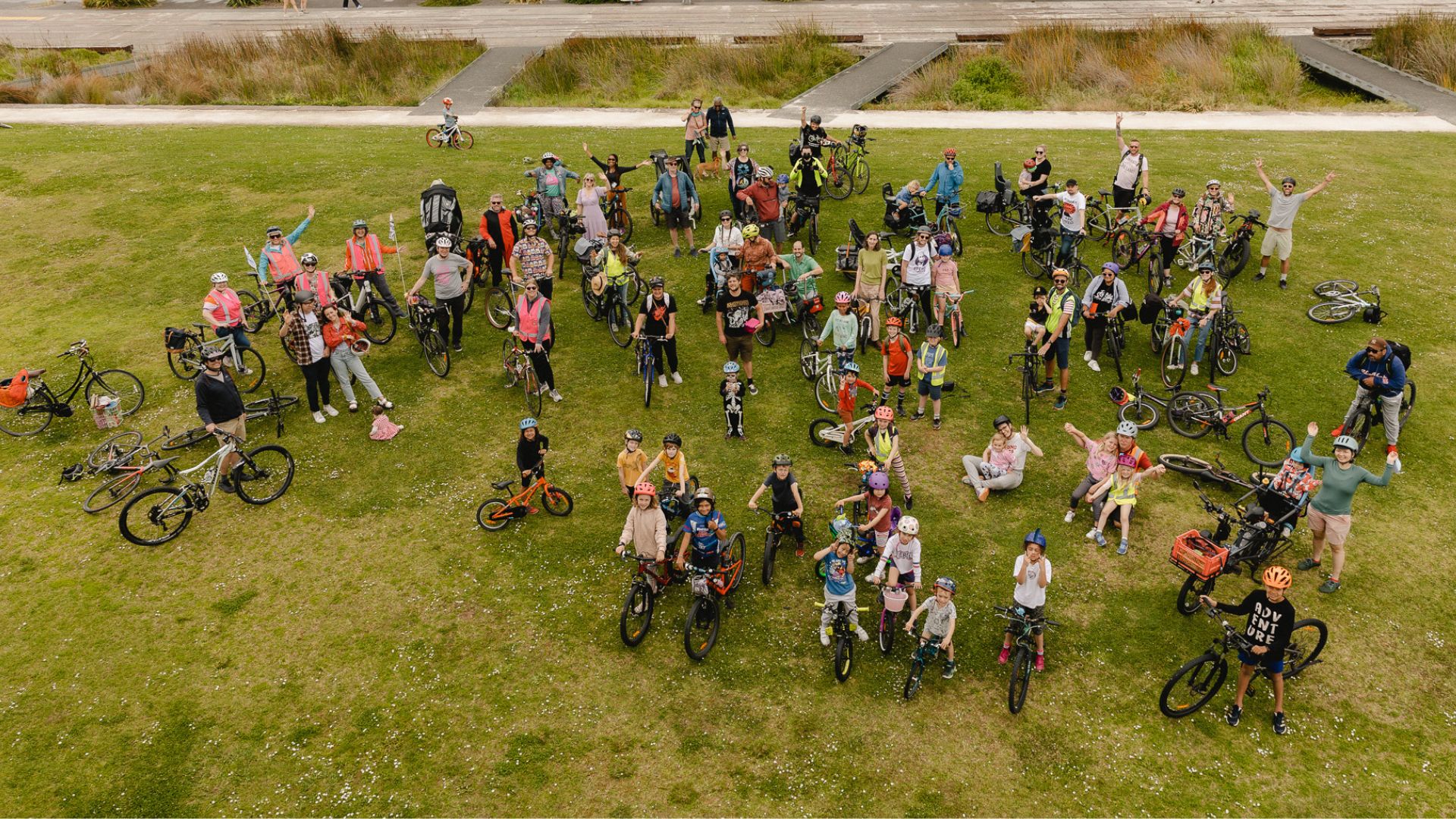
The obvious answer is that we speak for our paid-up membership. But we also have an email list with thousands of other people who bike, walk, and scoot. At the hui, Louise Tu’u asked ‘who is a real cyclist?’ Good question. There are plenty of people on bikes who have never heard of Bike Auckland: workers heading out with their Red Bands, recreational cyclists and kids popping wheelies in the local carpark. What they have in common is they all have a voice.
I believe Bike Auckland must use the tools at its disposal to create change for all our cycling community, including the people we never see. Those tools include engaging with agencies such as Auckland Transport, and supporting local communities to improve their neighbourhood cycling infrastructure. We also make submissions on regional and national policies and plans. Other tools which create change include what US civil rights leader John Lewis called ‘good trouble’: to stand up, speak out, and ‘get in the way’ to bring about change.’
As we all know, the current government has not only cut funding for cycleways, it is actively undermining already-consulted projects such as the Rā Hihi Eastern Busway cycleway. How do we respond to this? Do we continue to engage with processes not being undertaken in good faith? At what point does engaging with bad-faith actors make us part of the problem?
The voices we hear are mostly white, educated and better-off. This is to be expected: this demographic has more time and resources to engage with the political process and NGOs that lobby for them. At the hui one of our speakers pointed out most cycling groups were getting older, and that we needed a youth wing. I agree. How would that work? How would we recruit and engage young people?
A similar question arises with engagement with mana whenua. A couple of speakers referred to working with mana whenua, and local bodies including Auckland Transport certainly do. What might working with mana whenua look like? How do we hear those voices?
Thinking about some of these issues has been given greater urgency with the real possibility of a fuel crunch. Today’s newsletter has helpful tips on getting you and your bike on the road, but we also need to start pushing for a better collective future. That means listening with both ears and perhaps thinking about good trouble.
I’m never short of an opinion, but I’m interested to hear what you think. Drop us a line with your thoughts.